
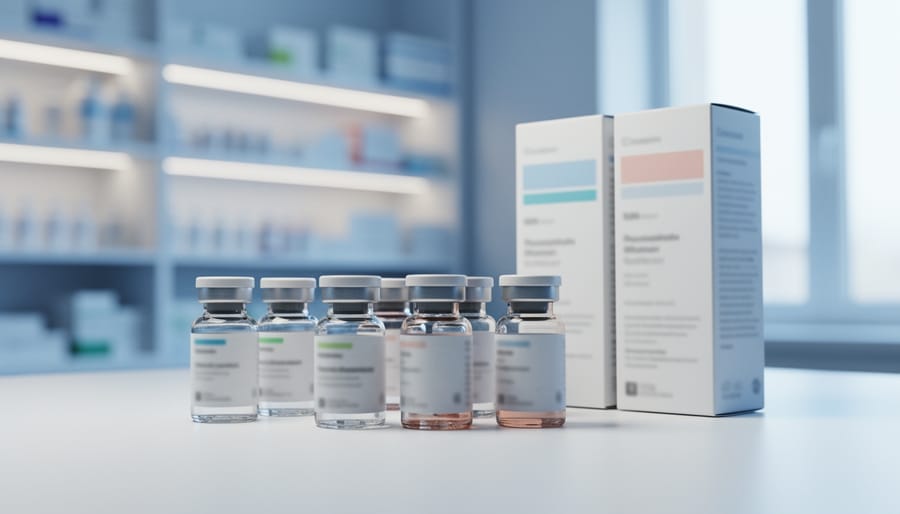
Bacteriostatic water and sterile water are not interchangeable, and the choice comes down to one question: will you draw from the vial more than once? Bacteriostatic water contains 0.9% benzyl alcohol, a preservative that keeps bacteria from growing, so a multi-dose vial from a peptide store for Canadian researchers can typically be used again over a short period. Sterile water has no preservative and is meant for a single use, then discarded. Picking the wrong one is a common, avoidable mistake. It can leave you with a vial that spoils faster than expected, or with a diluent that isn’t suited to the person receiving it.
That last point matters for women. Benzyl alcohol isn’t appropriate for every situation, including some pregnancy and breastfeeding circumstances, so your pharmacist or prescriber should weigh in first.
If you’re sourcing supplies from a licensed pharmacy or any other supplier, the label still needs to match your purpose. This guide compares the two diluents side by side, explains what to check before you buy, and points you to the right professional for the final call.
Why Diluent Choice Matters for Everyday Health and Safety
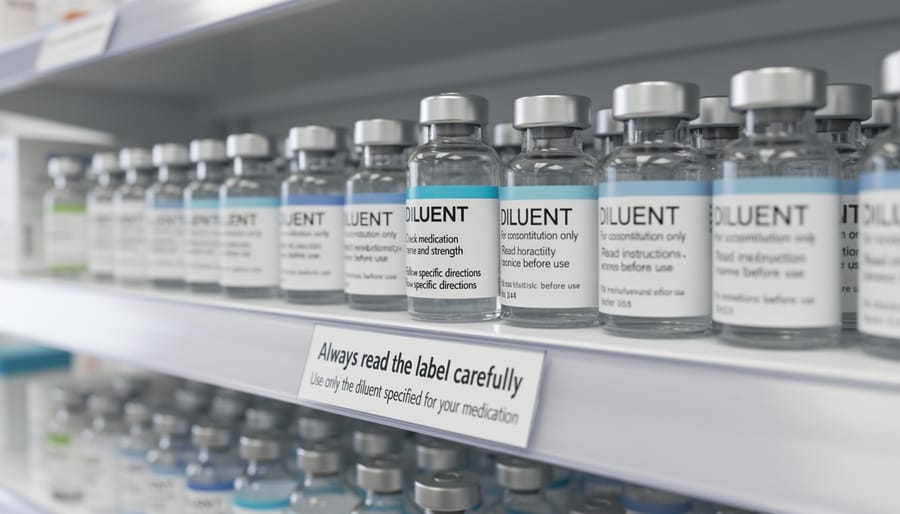
A diluent is simply the liquid used to mix, dissolve, or thin a medication so it can be given safely. Some medications come as a powder in a vial and need a liquid added before use. Others are concentrated and need to be thinned. The diluent is what makes that step possible.
It might seem like any sterile liquid would do, but the choice matters more than most people expect. The wrong diluent can change how a medication behaves, shorten how long a mixed vial stays safe to use, or introduce an ingredient, like a preservative, that isn’t suitable for the person receiving it. Even small mix-ups can raise the risk of contamination or a reaction. The good news is that these risks are largely preventable with the right information.
This matters across Canada because many people now manage injectable or reconstituted medications at home, from long-term therapies to short courses of treatment. And in many households, women are the ones keeping track of it all: their own prescriptions, a partner’s, a child’s, or an aging parent’s. Being the household health manager is a real responsibility, and clear, plain-language information helps you carry it with confidence.
You also don’t have to figure it out alone. Health Canada regulates drug products sold in this country, and pharmacists are a trusted, easy-to-reach resource in nearly every community. Asking them a question is always a good idea.
Bacteriostatic Water vs. Sterile Diluents: Types Compared

What Bacteriostatic Water Is and What the Preservative Does
Bacteriostatic water is sterile water with 0.9% benzyl alcohol added as a preservative. The word “bacteriostatic” simply means it slows the growth of bacteria rather than killing them or sterilizing the liquid. That slowing effect is why it is often used for multi-dose vials, where a needle may enter the stopper more than once.
Here is how the main diluent types compare:
| Diluent type | What it contains | Typical vial use | Key advantage | Key limitation |
|---|---|---|---|---|
| Bacteriostatic water | Sterile water plus 0.9% benzyl alcohol | Multi-dose | Preservative slows bacterial growth between uses | Not suitable for everyone |
| Sterile water for injection | Sterile water only | Single-dose | No preservative to react to | Must be discarded after one use |
| Sterile saline | Sterile water plus sodium chloride | Single-dose | Matches the body’s salt balance | Only for medications that specify it |
The preservative is not right for every person. For example, benzyl alcohol contraindicated in neonates is a well-known caution, and some people with sensitivities may also need a different option. Because of this, never assume bacteriostatic water can stand in for another diluent. Your pharmacist can confirm the right match.
Sterile Water and Saline Diluents: When No Preservative Is Better
Sterile water and sterile saline are the “plain” diluents. They’re sterile when the package is sealed, but they contain no preservative to slow bacterial growth once the container is opened. That’s the key difference from bacteriostatic water.
Because nothing protects the liquid after the seal is broken, these products are generally meant for single use. Once you’ve drawn from the vial, any leftover can’t be trusted, so it should be thrown away rather than saved for later. Even a tiny amount of contamination can multiply in a preservative-free solution, and it isn’t worth the risk to keep a “just in case” vial.
Preservatives are often avoided in certain situations. Newborns and infants, people with sensitivities to benzyl alcohol, and some other cases may call for a preservative-free diluent instead. Your pharmacist or prescriber can tell you if that applies to you or someone you care for.
Saline (a salt-and-water solution) is sometimes named in a medication’s instructions because some drugs mix or stay stable better in it than in plain water. If the directions specify saline, follow them exactly rather than swapping in whatever is on hand.
Manufacturer-Specified Diluents and Why They Come First
Some medications are designed to be mixed with one specific liquid, and only that one. In many cases, that diluent comes packaged right alongside the medication, or it’s named in the product monograph (the official prescribing document for the drug in Canada) or in the instructions your pharmacist gives you.
Why so strict? A medication’s stability, strength, and safety can depend on the exact diluent used. The wrong one might change how well the drug dissolves, how long it stays usable, or how your body responds.
That’s why general rules of thumb, like “bacteriostatic water is for multi-dose vials,” are only a starting point. They never outrank the label or your pharmacist’s direction. If the instructions name a particular diluent, that’s the one to use.
Not sure what your label means? Ask. Your pharmacist can confirm the right diluent and walk you through mixing, and no question is too small when it comes to your health.
Key Buying Factors: What to Check Before You Choose
Women’s Health Considerations Worth Raising With Your Pharmacist
When you talk with your pharmacist about diluents, a few personal details make a real difference. Let them know if you’re pregnant, breastfeeding, or hoping to become pregnant, since whether benzyl alcohol suits you can vary from person to person. Mention any other medications you take and any sensitivities you’ve noticed in the past. These details help your pharmacist point you toward the right product, and they take only a moment to share.
Please don’t worry that you’re being a bother. Asking questions is one of the most empowering things you can do for your health, and pharmacists across Canada are used to these conversations. Many women are also the ones coordinating care for the whole family, so having clear answers helps everyone.
Before you buy or use a diluent, it can help to confirm:
- Your prescriber’s or pharmacist’s direction for this specific medication
- The label wording, including whether a preservative is present
- Whether a preservative is suitable for you, given pregnancy, breastfeeding, or sensitivities
- The vial size that matches your dose and how often you’ll use it
- The expiry date, and how long the mixed solution can be kept
- The storage conditions, such as temperature and light
- That you’re buying from a licensed Canadian pharmacy or supplier
Reliable, plain-language information is also available through heart health organizations and their partners, so you never have to figure this out alone.
Recommendations: Matching the Diluent to Your Situation
Think of this section as a set of everyday scenarios. The right diluent is almost never a matter of preference. It follows from what your medication’s directions say and how the vial will be used.
When bacteriostatic water is commonly the fit. If your medication comes in a multi-dose vial and the directions call for bacteriostatic water, this is usually the product your pharmacist will point you toward. The preservative helps slow bacterial growth between doses, which is why it suits a vial you’ll return to over several days. The key phrase is “where directed.” Multi-dose use is the situation, but the label and your pharmacist are the permission.
When sterile water or saline is the safer choice. If you’re mixing a single-dose vial, a preservative-free sterile diluent is generally the better match, and whatever’s left over gets discarded after that one use. The same applies when your instructions name sterile water or saline specifically. Some people also need to avoid benzyl alcohol, including certain patients with sensitivities and, in some circumstances, those who are pregnant or breastfeeding, so it’s worth raising your situation with your pharmacist or prescriber rather than guessing.
When to defer entirely. Some medications must be mixed only with the diluent supplied or named by the manufacturer. In that case, the product monograph and your pharmacist’s directions outrank any general rule you’ve read, including the ones in this guide. If the diluent in your hand doesn’t match what your instructions say, pause and call the pharmacy before you mix anything.
Please don’t swap one product for another on your own, even if the bottles look nearly identical. A substitution that seems harmless can change how safe a mixed vial is to use.
We also know that people approach their health in different ways, and that many use a mix of conventional and complementary tools. Whatever you’re using, bring it up. Pharmacists and prescribers can only help with what they know about, and an open, judgment-free conversation is the best way to make sure the pieces of your care fit together safely.
Common Mistakes to Avoid With Diluents
Most diluent mistakes are easy to prevent once you know what to watch for. Here are the common ones and simple ways to sidestep them.
Using the wrong type of diluent. Bacteriostatic water contains a preservative, so it isn’t suitable everywhere. If your medication’s directions call for a preservative-free diluent, such as sterile water or saline, stick with exactly that. When in doubt, ask your pharmacist before mixing.
Reusing single-dose vials. Preservative-free products have nothing to slow bacterial growth once opened. Treat them as one-time use and discard any leftover, even if it feels wasteful.
Ignoring discard-by dates after mixing. A mixed solution has its own, shorter shelf life. Write the date and time you mixed it right on the vial or box so you’re never guessing.
Substituting look-alike products. Vials can look nearly identical on the shelf. Read the label every time, and never swap one product for another without checking with a pharmacist or prescriber.
Buying from unverified online sources. Choose licensed Canadian pharmacies or suppliers so you know what you’re getting is genuine and properly stored.
Storing things poorly. Follow the label’s temperature guidance, keep vials away from heat and sunlight, and store them out of reach of children.
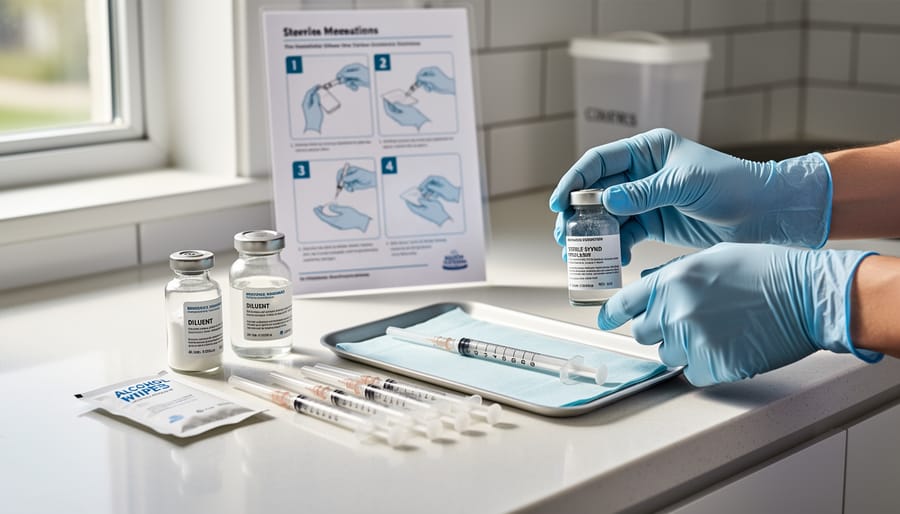
Skipping hygiene steps. Wash your hands and wipe the vial top with an alcohol swab before every draw. It takes seconds and makes a real difference.
Building small habits like these protects your health and gives you confidence in your routine. If you’d like to put the same careful approach into your wider wellbeing, our prevention tips are a good next step.
Frequently Asked Questions About Diluents
Can I use bacteriostatic water instead of sterile water?
Not automatically. Bacteriostatic water contains a preservative, and some medications or patients need a preservative-free diluent. Check your medication’s directions and ask your pharmacist before swapping one for the other.
How long can a mixed vial be kept?
It depends on the medication, the diluent and how it’s stored. The product’s instructions or your pharmacist will give you a specific discard-by time, and single-dose vials mixed with preservative-free diluents should generally be used right away and thrown out afterward.
Is bacteriostatic water safe during pregnancy or breastfeeding?
Benzyl alcohol, the preservative in bacteriostatic water, may not suit everyone, and suitability can vary from person to person. Tell your prescriber or pharmacist if you’re pregnant, breastfeeding or planning a pregnancy so they can recommend the right option for you.
Where can I buy diluents in Canada, and what if I used the wrong one?
Buy from a licensed Canadian pharmacy or an established supplier rather than an unverified online seller. If you think you mixed with the wrong diluent, don’t use the vial, and call your pharmacist or prescriber for guidance. If you feel unwell, contact a health professional or your local poison control centre right away.
Questions like these are completely normal, and asking them is part of looking after yourself and the people you care for. If you’re building your general health knowledge alongside medication know-how, our overview of stroke basics is a helpful next read. Your pharmacist remains the best first stop for any question about your own medications.
Choosing a diluent doesn’t have to feel overwhelming. The right one is the one your medication’s directions and your pharmacist support. When the label names a specific diluent, use that one. When you’re unsure, a quick question at the pharmacy counter is always worth it.
Asking questions is part of caring for yourself, and for the people who rely on you. Many women are the household’s health manager, so consider passing this information along to a partner, parent, or friend who handles medications at home. A few minutes of shared understanding can make everyone’s routine safer and calmer.
Safe medication habits fit alongside the other choices that look after your heart, from healthy eating to the everyday decisions that protect heart health over time.
Healthy Hearts Canada works alongside other heart health partners to support informed, confident choices. Explore our resources on women’s heart health and safe medication use, and bring your questions to your pharmacist or prescriber. You don’t have to figure it out alone.
