

Finding the right organizations and initiatives for heart disease support connects you with essential resources, evidence-based programs, and communities that understand your cardiovascular health journey. In Canada, a robust network of national organizations, research initiatives, and grassroots programs work collaboratively to address heart disease through prevention, treatment advancement, and patient support.
These organizations matter because heart disease remains the leading cause of death for Canadian women, yet many face delays in diagnosis and treatment due to gender-specific symptoms being overlooked. The landscape of heart health support has evolved significantly, with dedicated initiatives now addressing women’s unique cardiovascular experiences and risks.
From large national bodies funding breakthrough research to local community programs offering exercise classes and nutrition counseling, these organizations provide multiple entry points for engagement. Whether you need educational materials, emotional support, access to clinical trials, or advocacy platforms, the cardiovascular health ecosystem offers specialized resources tailored to different needs.
Understanding which organizations align with your specific situation helps you access the most relevant support. Some focus exclusively on research funding and medical professional education, while others prioritize patient advocacy and community-based wellness programs. Many work in partnership, creating referral networks that ensure you can move smoothly between clinical care, rehabilitation, and ongoing lifestyle support.
This guide maps the Canadian heart health landscape, highlighting how different organizations serve distinct roles while collaborating to create comprehensive care pathways for women living with or at risk for cardiovascular disease.
Why Related Heart Disease Organizations Matter for Women’s Health
Women’s cardiovascular health has historically operated in a gap. Research studies excluded female participants, diagnostic criteria reflected male symptoms, and treatment protocols failed to account for hormonal and physiological differences. This fragmentation created dangerous blind spots that collaborative heart disease organizations are now working urgently to close.
When multiple organizations pool resources and share findings, they amplify both reach and impact. A research breakthrough at one institution becomes shared knowledge across networks. Awareness campaigns developed by one group get reinforced by others, creating the repetition needed to shift public perception. Support programs designed by specialists reach more women when distributed through coordinated channels. This multiplier effect transforms isolated efforts into sustained movement.
For women facing heart disease, coordinated initiatives deliver tangible benefits. They ensure that gender-specific symptoms like jaw pain, nausea, and extreme fatigue become recognized warning signs among both patients and physicians. They push for clinical trials that include adequate female representation and analyze results by sex. They create support systems where women can connect with others who understand the distinct challenges of managing cardiovascular disease alongside pregnancy, menopause, and caregiving responsibilities.
The diagnostic and treatment gaps remain real. Women still wait longer for diagnosis, receive fewer interventions, and experience higher mortality rates for certain cardiac events. Coordinated organizational networks attack these disparities from multiple angles simultaneously: advocating for policy changes, training healthcare providers, funding targeted research, and educating the public about women’s unique risk factors.
Individual organizations bring specialized expertise, whether in research, clinical care, or community support. Together, they create an ecosystem where discoveries inform practice, practice reveals knowledge gaps, and those gaps drive new research priorities. This interconnected approach accelerates progress far beyond what any single entity could achieve working alone.
National Heart Organizations Leading the Charge
Heart and Stroke Foundation of Canada
The Heart and Stroke Foundation of Canada stands as one of the country’s most influential cardiovascular health organizations, driving critical change through research funding, public education, and policy advocacy. Their comprehensive approach addresses the full spectrum of heart disease prevention and treatment, with growing recognition of the unique challenges women face.
Their research portfolio allocates substantial funding to studies examining sex-based differences in cardiovascular disease presentation, treatment response, and outcomes. Heart & Stroke women’s research initiatives have helped uncover why women often experience different heart attack symptoms than men and why certain treatments prove less effective for female patients. These findings directly inform clinical guidelines and physician training across Canada.
The Foundation’s awareness campaigns target women specifically, challenging the persistent myth that heart disease primarily affects men. Their “Make Health Last” initiative provides tailored resources covering risk assessment, symptom recognition, and lifestyle modification strategies relevant to women’s lives. Educational materials address cardiovascular risks unique to women, including pregnancy complications, hormonal changes, and autoimmune conditions.
Beyond research and education, the Foundation offers practical support through rehabilitation programs, healthy living resources, and community events. Their online tools help women calculate personal risk profiles and connect with local support groups. Healthcare professionals can access their evidence-based guidelines to improve care delivery for female patients, while advocacy efforts push for better representation of women in clinical trials and more equitable healthcare access nationwide.

Canadian Women’s Heart Health Alliance
The Canadian Women’s Heart Health Alliance stands at the forefront of addressing a critical gap in cardiovascular care: the systemic under-diagnosis and under-treatment of heart disease in women. Founded on the recognition that women’s heart disease symptoms often differ from men’s and that research has historically excluded or underrepresented female patients, this organization works to transform how the Canadian healthcare system serves women with cardiovascular conditions.
Their education programs train healthcare providers to recognize atypical symptoms in women, such as fatigue, shortness of breath, and jaw pain rather than the classic chest pressure more common in men. These training initiatives have reached thousands of physicians, nurses, and emergency responders across Canada, improving early detection rates and reducing misdiagnosis.
On the advocacy front, the Alliance pushes for policy changes that mandate gender-disaggregated data in cardiac research and clinical trials. They’ve successfully lobbied for increased funding directed specifically toward understanding how heart disease develops and progresses differently in women, particularly during hormonal transitions like pregnancy and menopause. Their patient resources translate complex medical information into accessible guidance that helps women understand their unique risk factors and advocate for appropriate screening and treatment.
Canadian Cardiovascular Society
The Canadian Cardiovascular Society stands at the forefront of professional education and standard-setting for heart care in Canada. Since 1947, this physician-led organization has shaped how cardiovascular medicine is practiced across the country, developing evidence-based clinical guidelines with sex analysis that recognize the unique ways heart disease manifests in women. Their position statements and consensus documents guide cardiologists, family physicians, and nurses in delivering care that accounts for gender differences in symptoms, treatment response, and outcomes.
Beyond guideline development, the CCS runs comprehensive educational programs that train healthcare professionals to recognize atypical presentations of heart disease common in women, like jaw pain, nausea, or extreme fatigue rather than classic chest pressure. Their annual scientific meetings bring together researchers and clinicians to share emerging evidence on sex-specific cardiovascular risk factors, from pregnancy complications that signal future heart disease to hormonal transitions that affect cardiac health. This focus on continuing education ensures that practitioners stay current with evolving knowledge about women’s cardiovascular needs, translating research findings into improved bedside care and better health outcomes for female patients navigating the complexities of heart disease diagnosis and treatment.

Research Initiatives Transforming Heart Disease Understanding
Research programs dedicated to women’s cardiovascular health have accelerated dramatically over the past decade, driven by partnerships among academic institutions, government agencies and patient advocacy organizations. These collaborative efforts are finally addressing the historic underrepresentation of women in cardiac research and uncovering critical differences in how heart disease develops, presents and responds to treatment across genders.
The Canadian Women’s Heart Health Alliance has spearheaded several landmark studies examining risk factors unique to women, including pregnancy complications like preeclampsia and gestational diabetes that substantially increase lifetime cardiovascular risk. Their data collection efforts track thousands of Canadian women longitudinally, creating the robust datasets needed to identify early warning signs and protective factors that traditional male-focused studies missed entirely.
Major research initiatives currently transforming our understanding include:
- The Gender and Sex Determinants of Cardiovascular Disease study examining hormonal influences on plaque formation and arterial health
- National registry projects tracking outcomes for women with spontaneous coronary artery dissection, a condition affecting primarily younger women
- Clinical trials testing whether existing medications require different dosing protocols for women versus men
- Community-based research investigating cardiovascular health disparities among Indigenous women and newcomers to Canada
- Genomic studies identifying sex-specific genetic markers that predict heart disease risk and treatment response
The Heart and Stroke Foundation’s research grants have increasingly prioritized sex and gender considerations, with analysis of women-related cardiovascular funding trends showing meaningful shifts toward equitable research investment. This funding supports breakthrough discoveries like the recognition that women often experience microvascular dysfunction rather than the blockages in major arteries that diagnostic tools were designed to detect in men.
Inter-organizational partnerships have proven particularly powerful for accelerating discovery. When the Canadian Cardiovascular Society collaborates with women’s health researchers, patient advocacy groups and federal health agencies, studies can recruit diverse participants faster, share expensive imaging equipment and infrastructure, and translate findings into clinical practice more efficiently. These networks ensure that research questions reflect what women actually experience rather than simply extrapolating from male-dominated studies.
Community-Based Heart Health Initiatives Across Canada
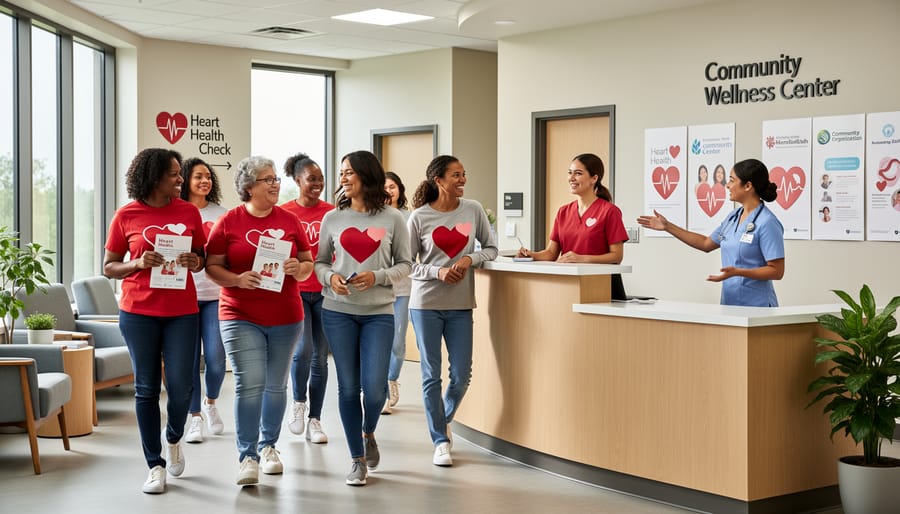
Across Canada, community-based programs are bringing heart disease prevention and care directly to women who might otherwise fall through the cracks of the healthcare system. These grassroots initiatives understand that improving cardiovascular outcomes requires meeting people where they are, both geographically and culturally.
The Heart Health Coalition operates mobile cardiac screening units that travel to remote and rural communities throughout northern Ontario and Manitoba. These clinics provide free blood pressure monitoring, cholesterol screening, and cardiovascular risk assessments specifically designed to address the unique challenges women in isolated areas face when accessing preventive care. Many participants receive their first comprehensive heart health assessment through these visits, catching risk factors before they become emergencies.
Indigenous communities across Canada have developed culturally appropriate heart health programs that blend traditional wellness practices with modern cardiac care. The First Nations Heart Health Initiative partners with local elders and healthcare providers to create education programs that respect cultural contexts while addressing the disproportionately high rates of cardiovascular disease among Indigenous women. These programs incorporate traditional foods, land-based activities, and healing practices alongside standard prevention strategies, recognizing that effective health initiatives must honor cultural identity.
Urban centers have launched neighbourhood-based programs targeting newcomer women and those facing socioeconomic barriers. Toronto’s East End Heart Health Hub offers free cooking classes focusing on heart-healthy meals within budget constraints, exercise groups conducted in multiple languages, and peer support circles that reduce the isolation many immigrant women experience when navigating the Canadian healthcare system.
These community initiatives demonstrate that effective heart disease prevention extends beyond clinical settings. They build trust, remove access barriers, and create sustainable change by empowering women within their own communities. The most successful programs train local women as peer educators, creating lasting networks that continue supporting cardiovascular health long after initial funding cycles end.
Awareness and Education Programs Making a Difference
Awareness campaigns from heart disease organizations are transforming how Canadian women understand and respond to cardiovascular threats. The Heart and Stroke Foundation’s “Make Health Last” campaign specifically addresses the reality that heart disease presents differently in women, teaching recognition of subtle symptoms like unusual fatigue, jaw pain, and nausea that emergency departments often dismiss. Their video resources and interactive symptom checkers empower women to trust their instincts and seek immediate care rather than waiting to see if symptoms pass.
The Canadian Women’s Heart Health Alliance delivers targeted education through community workshops and healthcare provider training programs. Their “Discover Your Heart Truth” initiative reaches women in workplace settings, community centres, and faith-based organizations with practical information about female-specific risk factors including pregnancy complications, autoimmune conditions, and hormonal transitions. These sessions move beyond generic advice, equipping participants with specific questions to ask their physicians and documentation strategies to ensure their concerns receive proper attention.
Public awareness extends through social media campaigns during Heart Month each February, when organizations amplify stories of women whose symptoms were initially misdiagnosed or minimized. These narratives validate experiences and normalize speaking up when something feels wrong. Educational materials now explicitly address the diagnostic bias women face, teaching them phrases like “I’m concerned about my heart” rather than downplaying symptoms as stress or anxiety.
Many organizations offer specialized resources for healthcare professionals, recognizing that provider education directly improves patient outcomes. The Canadian Cardiovascular Society’s clinical practice updates emphasize sex-specific presentation patterns, closing the knowledge gap that contributes to delayed diagnosis. When both patients and providers understand these differences, recognition improves and treatment begins sooner.
Support Networks and Patient Advocacy Groups
Living with heart disease or recovering from a cardiac event can feel isolating, but support networks across Canada ensure no woman has to face this journey alone. Patient advocacy groups and peer support organizations create spaces where women share experiences, ask questions, and find strength in community connection.
Mended Hearts Canada operates chapters nationwide, connecting people who’ve experienced heart conditions with trained volunteers who’ve been there themselves. Their hospital visitation programs and monthly meetings offer a lifeline during recovery, particularly valuable for women navigating the emotional aftermath of diagnosis or surgery. Many chapters now host women-focused sessions addressing the unique concerns female cardiac patients face.
The Canadian Association of Cardiac Rehabilitation facilitates connections between patients and comprehensive recovery programs. Their network helps women find supervised exercise classes, nutrition counselling, and group therapy specifically designed for cardiac rehabilitation. These programs don’t just rebuild physical strength, they create peer communities where women support each other through setbacks and celebrate milestones together.
Online communities have expanded access to support beyond geographic boundaries. The Heart and Stroke Foundation hosts moderated discussion forums where women exchange practical advice on everything from managing medications to returning to work after a heart attack. Facebook groups like Women Heart Warriors Canada connect thousands of members who share resources, encouragement, and firsthand knowledge about navigating the healthcare system.
Local hospitals often host support groups specifically for women with heart conditions. These meetings typically welcome both patients and caregivers, addressing concerns like balancing family responsibilities during recovery or managing anxiety about future cardiac events. Call your regional cardiac centre to learn about groups in your area, most welcome newcomers without referral and cost nothing to attend.

How to Connect With Heart Disease Organizations and Initiatives
Connecting with heart disease organizations and initiatives opens doors to resources, support, and opportunities to make a meaningful difference in cardiovascular health. Whether you’re a patient, caregiver, healthcare professional, or passionate supporter, getting involved is straightforward and rewarding.
Start by visiting the websites of major organizations like the Heart and Stroke Foundation of Canada or the Canadian Women’s Heart Health Alliance. Most maintain comprehensive resource libraries with downloadable guides, symptom checkers, and risk assessment tools available at no cost. Sign up for newsletters to receive updates on new research, upcoming events, and program offerings tailored to women’s cardiovascular health.
Many organizations offer direct support through helplines staffed by trained professionals who can answer questions, provide guidance, and connect you with local resources. These services are typically free and confidential, making them valuable starting points when you need immediate information or reassurance.
- Create a free account on your chosen organization’s website to access personalized resources, track your health metrics, and join member-only webinars or support groups.
- Attend local or virtual events such as educational seminars, fundraising walks, or awareness campaigns to connect with others who share your interest in heart health.
- Volunteer your time by participating in peer support programs, helping with community outreach, or contributing your professional expertise to committees and working groups.
- Advocate by sharing your story, contacting elected representatives about cardiovascular health policy, or amplifying campaigns on social media to raise awareness about women’s heart disease.
- Support financially through one-time donations, monthly giving programs, or legacy gifts that fund research, education, and patient services for future generations.
Healthcare professionals can deepen collaboration by referring patients to appropriate programs, displaying educational materials in waiting areas, and participating in professional development opportunities these organizations provide. Many groups welcome clinicians who want to contribute to guideline development, speak at events, or mentor other providers in gender-sensitive cardiovascular care.
Indigenous women and those in rural communities should inquire about culturally appropriate programs and telehealth options that bring resources directly to underserved areas, ensuring everyone can access the support they deserve.
The landscape of women’s heart health in Canada is fundamentally stronger because of the interconnected network of organizations and initiatives working together to close gender gaps in cardiovascular care. These partnerships amplify individual strengths, turning isolated efforts into coordinated movements that reshape research priorities, rewrite clinical guidelines, and reimagine patient support systems.
When you engage with these organizations, whether as a patient seeking support, a healthcare professional pursuing better outcomes, or a community member advocating for change, you join a collective force that has already transformed how heart disease is understood, diagnosed, and treated in women. The resources they offer aren’t just informational; they’re practical tools that can save your life or help you save someone else’s.
The collaborative strength of these networks means breakthroughs happen faster, awareness spreads wider, and no woman has to navigate her cardiovascular health journey alone. From national research initiatives to local support groups, from clinical guideline development to grassroots awareness campaigns, these organizations form a safety net that catches women at every stage of their heart health experience.
Your participation matters. Connect with the organizations that resonate with your needs. Share what you learn with the women in your life. Support the initiatives making a difference. Together, these partnerships are creating lasting change in women’s cardiovascular health, one connection, one conversation, one life at a time.
