

Recovery with heart means healing your body and your emotions together, with a plan that fits your life, your pace, and your body. It starts with cardiac rehabilitation, a supervised program of exercise, education, and support that your care team can refer you to. It continues with steady movement, nourishing food, honest attention to your mood, and people who walk beside you.
If you’ve had a heart attack, a diagnosis, or surgery, or you’re supporting someone who has, you may be carrying fear alongside the physical recovery. That’s normal. It’s also worth knowing that women’s experiences of heart disease often look different. Symptoms can be subtler than the classic chest-clutching moment, and women are less likely to be referred to rehab and more likely to feel anxious or low afterward. Many also return to caring for everyone else before they’ve cared for themselves.
Healing takes time, and you don’t have to rush it or do it alone. Across Canada, hospitals, community programs, and heart health organizations offer practical help, from guided exercise to peer support, and many women find that combining conventional care with approaches that feel right to them, such as gentle yoga or mindfulness, helps them feel whole again.
The sections ahead walk through what recovery involves, one step at a time, so you can move forward with confidence and a stronger sense of what comes next.
What ‘Recovery With Heart’ Means
Recovery with heart starts with a simple idea: healing from a cardiac event is about much more than the treatment you receive in hospital. Medication, procedures, and follow-up appointments matter enormously, but they are only part of the picture. Real recovery is physical, emotional, and social, and all three strands unfold over time.
Physically, your body is rebuilding strength, stamina, and confidence in its own rhythms. Emotionally, you may be processing fear, relief, frustration, or even grief for the life you had before. Socially, you’re figuring out how to lean on the people around you, and how to let them lean in.
Here’s what matters most to hear: there is no single timeline. Some days you’ll feel strong and hopeful; others you may feel tired or discouraged. That doesn’t mean you’re doing it wrong. Progress is rarely a straight line, and a setback on Tuesday doesn’t erase the gains you made on Monday.
It also helps to think of recovery as a partnership rather than something you carry alone. Your care team brings medical expertise and guidance. Your family, friends, and community bring encouragement, practical help, and understanding. And you bring the most important voice of all: your own lived experience of what feels right and what doesn’t. When these three work together, recovery becomes less lonely, and a good deal more hopeful.
Why Women’s Recovery Often Looks Different

Barriers Women Commonly Face
For many women, the hardest part of recovery isn’t the exercise or the medication. It’s fitting healing into a life already full of other people’s needs. Caregiving duties often don’t pause after a cardiac event, and a woman may be looking after children, aging parents, or a partner while she’s still recovering herself. Add work pressures, limited childcare, or a long, unreliable trip to the nearest program, and attending rehab can feel like one more thing to juggle.
There’s an emotional side, too. Many women describe feeling dismissed or rushed in medical settings. Women report different symptoms than the textbook picture, and that mismatch can lead to being told it’s “just stress” or anxiety. Growing women’s heart research is helping change this, and a better understanding of women’s symptoms helps explain why your concerns deserve to be taken seriously.
None of these barriers mean you’re doing recovery wrong. They’re real, common, and worth naming out loud.
Speaking Up for the Care You Deserve
You know your body better than anyone else in the exam room. If something feels off, or a plan doesn’t fit your life, that is useful information, and your care team needs to hear it.
A little preparation makes appointments easier. Jot down your symptoms, your medications, and your top two or three concerns before you go. Appointments move quickly, and having a list keeps the important things from slipping away.
Consider bringing a trusted person with you. They can take notes, remember what was said, and gently speak up if you feel overlooked. If in-person isn’t possible, ask whether a family member can join by phone.
Questions worth asking include:
– What should I expect in the coming weeks, and what’s normal?
– Am I a good candidate for cardiac rehabilitation, and how do I get referred?
– Which symptoms should prompt me to call you right away?
– How does my recovery plan fit with my caregiving and work responsibilities?
If you leave feeling unheard, it is okay to ask again, request a clearer explanation, or seek a second opinion. Asking questions doesn’t make you difficult. It makes you an active partner in your own healing.
The Stages of Recovery: What to Expect
Recovery tends to move through a few broad phases, though no two women’s journeys look alike. Some stretches feel smooth, others feel like two steps forward and one step back, and that’s completely normal. Think of the phases below as a rough map, not a schedule.
- Leaving the hospital: The focus is understanding your discharge plan, including your medications, follow-up appointments, and who to call with questions. Ask your care team to explain anything that feels unclear, and don’t hesitate to bring someone along to help you remember it.
- Early recovery at home: The focus is rest, gentle activity, and settling into new routines. Fatigue is common here. Pace yourself, take medications as prescribed, and accept help with daily tasks.
- Rebuilding strength: The focus is gradually increasing activity, often through cardiac rehabilitation, while learning what your body is telling you. Small, steady steps matter more than big leaps.
- Long-term maintenance: The focus is keeping up heart-supportive habits, attending regular check-ups, and looking after your emotional well-being. This phase is about folding healthy routines into the life you want to live.
Your care team is your best guide at every stage. Your doctor, nurse, or rehab specialist knows your medical history and can tell you what’s right for you and when. If you’re ever unsure whether a symptom is part of normal healing or needs attention, call them. You’re not bothering anyone by asking.
It’s also worth knowing that recovery isn’t only physical. Feeling tearful, anxious, or simply unlike yourself along the way is common, and it deserves care just as much as your heart does. Be patient with yourself, because healing happens at its own pace.
Cardiac Rehabilitation: Your Recovery Foundation

Cardiac rehabilitation is a structured program designed to help you rebuild strength and confidence after a heart attack, surgery, or diagnosis. It usually brings together three things: supervised exercise, practical education, and emotional support. You’ll work with a team that may include nurses, exercise specialists, dietitians, and counsellors, all focused on getting you back to the life you want.
Why does it matter? Research consistently links cardiac rehab to better recovery, fewer hospital readmissions, and improved quality of life. It also offers something harder to measure: a safe place to start moving again while someone qualified keeps an eye on how you’re doing. For many women, that reassurance makes all the difference. Yet women are less likely to be referred to or to complete these programs, so don’t wait to be offered a spot. Ask your doctor or care team directly whether cardiac rehab is right for you.
In Canada, you can access rehab in several ways. Many hospitals run their own programs, and some communities offer them through recreation centres or health clinics. A referral from your physician or cardiac team is often the first step, though requirements vary by province, so it’s worth asking what applies where you live.
If getting to a program is a challenge, you’re not alone. Rural and remote communities may have limited or no nearby options, and caregiving duties, work schedules, or transportation costs can make regular visits hard. Virtual and home-based programs can help here. These may include video sessions with a rehab professional, phone check-ins, and guided exercise plans you complete at home. Ask your care team what’s available, since offerings differ across regions.
You can also turn to established Canadian heart health organizations, which provide trusted, plain-language information to complement what your care team tells you. They’re a good place to start when you have questions between appointments.
Moving and Eating for a Stronger Heart
Easing Back Into Movement
Walking is usually the best place to start. Many women begin with five or ten minutes on flat ground, once or twice a day, and add a few minutes each week as energy returns. There’s no prize for going faster. A pace that lets you talk comfortably is a good guide, and the physical activity benefits build up from steady, regular effort, not from pushing hard on any single day.
Gentle stretching can sit alongside your walks. Slow shoulder rolls, ankle circles, and light calf or hamstring stretches ease stiffness, especially after time in a hospital bed. Light strength work, such as sitting down and standing up from a chair or lifting very light weights, can come later. Your care team will tell you when it’s appropriate, particularly if you’ve had surgery and need to protect your chest.
Pacing matters as much as the activity itself. Plan rest into your day, and don’t be surprised if fatigue shows up unannounced. Some days will feel stronger than others, and that’s a normal part of healing, not a setback.
Learning to read your body takes practice. Check in with your healthcare provider if you notice chest discomfort, unusual shortness of breath, dizziness, a racing or irregular heartbeat, new swelling in your legs or ankles, or fatigue that feels out of proportion to what you did. Women’s symptoms can be subtle, so trust your instincts. Reaching out isn’t overreacting. It’s part of looking after yourself, and your team would much rather hear from you early.
Nourishing Your Recovery

Eating well after a cardiac event doesn’t mean overhauling your whole kitchen overnight. Think of it as adding more of what nourishes you: vegetables, fruit, whole grains, legumes like lentils and chickpeas, and healthy fats from nuts, seeds, olive oil and fish. Then ease up on salt, since too much sodium can make blood pressure harder to manage. Most of the sodium we eat comes from packaged and restaurant foods, so reading labels helps more than hiding the salt shaker.
If you’re busy, aim for small, repeatable wins. Cook a big pot of soup or chili on Sunday and freeze portions. Keep frozen vegetables and canned beans (rinsed well to wash away extra sodium) on hand. On a tight budget, dried lentils, oats, seasonal produce and frozen fruit stretch a dollar a long way.
Your food traditions belong in your recovery. Dal, callaloo, stir-fries, bannock-friendly meals and Mediterranean dishes can all be adapted by adding more vegetables, using less salt and building flavour with herbs, garlic, lemon and spices. Canada’s Food Guide is a free, practical place to start, and your care team or a registered dietitian can tailor it to you.
Here are a few easy swaps to try:
| Everyday food | Heart-friendlier swap | Why it helps |
|---|---|---|
| Canned soup | Homemade or low-sodium soup | Cuts hidden sodium |
| White rice or bread | Brown rice or whole grain bread | Adds fibre that supports healthy cholesterol |
| Butter for cooking | Olive or canola oil | Swaps saturated fat for unsaturated fat |
| Salty snacks | Unsalted nuts or fresh fruit | Less sodium, more nutrients |
| Deli meats | Home-cooked chicken or beans | Lowers sodium and processed meat intake |
Every meal is a chance to protect your heart and that includes being gentle with yourself on the days things don’t go to plan.
Caring for Your Emotional Health
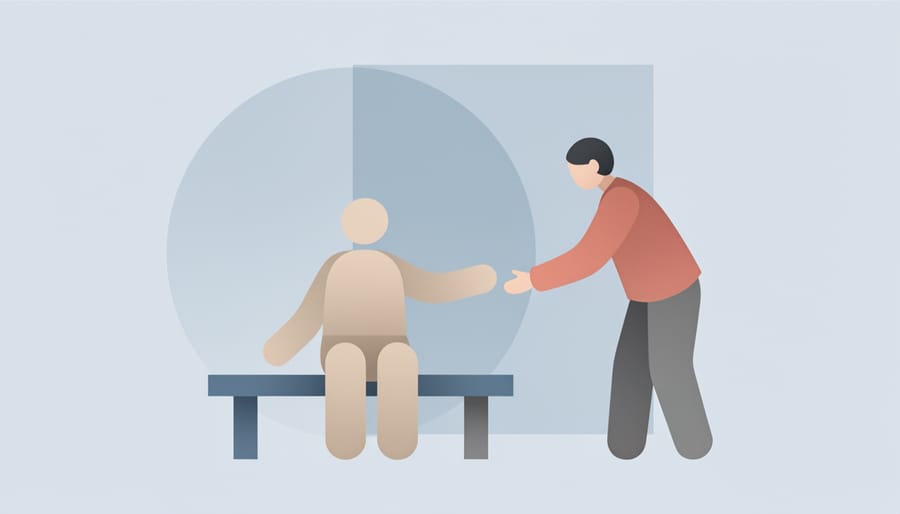
A cardiac event doesn’t only affect your heart. Many women find the emotional fallout catches them off guard. You might feel anxious every time your chest tightens, tearful for no clear reason, or frightened that it could happen again. Some women grieve the independence they had before, the ease of carrying groceries, driving across town, or simply trusting their body. All of this is a normal response to a frightening experience, not a sign that you’re weak or not coping.
Research suggests women may be more likely than men to experience anxiety and low mood after a cardiac event, and they’re often less likely to have those feelings noticed or asked about. If you’ve been told you’re “just stressed” or have simply gone unheard, your feelings are still valid.
Small, steady habits can help. Try these:
– Name what you’re feeling out loud or on paper, without judging it.
– Keep a gentle daily routine, including regular sleep and meals.
– Ask your cardiac rehab team about relaxation techniques, breathing exercises, or mindfulness.
– Lean on one trusted person and tell them honestly how you’re doing.
– Give yourself permission to rest, and to have hard days.
Sometimes self-care isn’t enough, and reaching out is a strength. Speak with your doctor if sadness or worry lasts more than a couple of weeks, if you’ve lost interest in things you usually enjoy, if sleep or appetite has changed significantly, or if fear is keeping you from daily activities. If you ever have thoughts of harming yourself, contact the 9-8-8 Suicide Crisis Helpline, available across Canada by call or text, at any hour.
Support exists in many forms. Your family doctor can refer you to counselling or a psychologist, and many cardiac rehab programs include emotional support. Peer programs connect you with other women who truly understand, and some provinces offer virtual groups if you live far from a city. You don’t have to carry this alone.
Building Your Circle of Support
No one heals alone, and you shouldn’t have to. Think of your support as a set of layers, each one offering something different.
Closest in are family and friends. They bring everyday help, like rides to appointments, a cooked meal, or simply someone to sit with you on a hard day. If you’re a loved one, the best thing you can do is ask, “What would be most useful right now?” rather than deciding for her. Let her make her own choices, and resist the urge to hover. Helping without taking over means she stays in charge of her recovery.
Next are people who have been through it. Many women find that talking with other survivors makes them feel understood in a way no one else can. Your healthcare team forms another layer, and that includes your doctor, nurses, rehab staff, and pharmacist.
Beyond that is the wider community. National and local heart organizations including Healthy Hearts Canada and its partners, offer trusted resources, awareness programs, and ways to connect with others across the country.
Here are some types of support to explore:
- Peer support groups, in person or by phone
- Virtual communities where you can connect from home
- Caregiver resources for the people supporting you
- Provincial health services and rehab programs near you
It can feel strange to accept help, especially if you’re used to being the one who gives it. Try letting people in anyway. And if you feel ready, sharing your story can encourage another woman who is just starting her own journey. Only share if it feels right to you.
Recovery with heart is not a race, and it isn’t something you finish on a set date. It’s a journey that asks for patience when progress feels slow, kindness toward yourself on the hard days, and connection with people who understand. Some weeks you’ll feel strong. Others, tired or worried. Both are part of healing.
Women deserve care that truly sees them: symptoms taken seriously, questions answered, and a recovery plan that fits real lives, including the caregiving, work, and family responsibilities so many carry. If you haven’t felt heard, you’re allowed to ask again, bring someone with you, and keep advocating for what you need.
You don’t have to change everything at once. Pick one small next step. Ask your care team whether cardiac rehab is right for you, whether in person or virtual. Reach out to a peer support group. Call a friend and tell them how you’re really doing. A single step is enough to begin.
You’re also not doing this alone. Healthy Hearts Canada offers resources, awareness programs, and a caring community of women and families who know this road firsthand. Lean on them as you need.
Your heart has been through a great deal, and it’s still beating, still worth caring for. Healing is possible, and it starts with the next gentle step you choose to take.
